
Fort Worth, TX · Pergola guide
Do You Need a Permit for a Pergola in Fort Worth?
If you're planning a pergola in Fort Worth, the answer depends on more than the size of the structure. Whether it is attached or freestanding, where it sits on the property, its height, lot size, existing accessory structures, electrical work, and other property conditions can affect what is required.
Fort Worth's residential permitting guidance states that accessory structures require a building permit and may also be subject to zoning requirements involving location, maximum height, and square footage.
Enter your Fort Worth address and project details to see how the rules apply to your property.
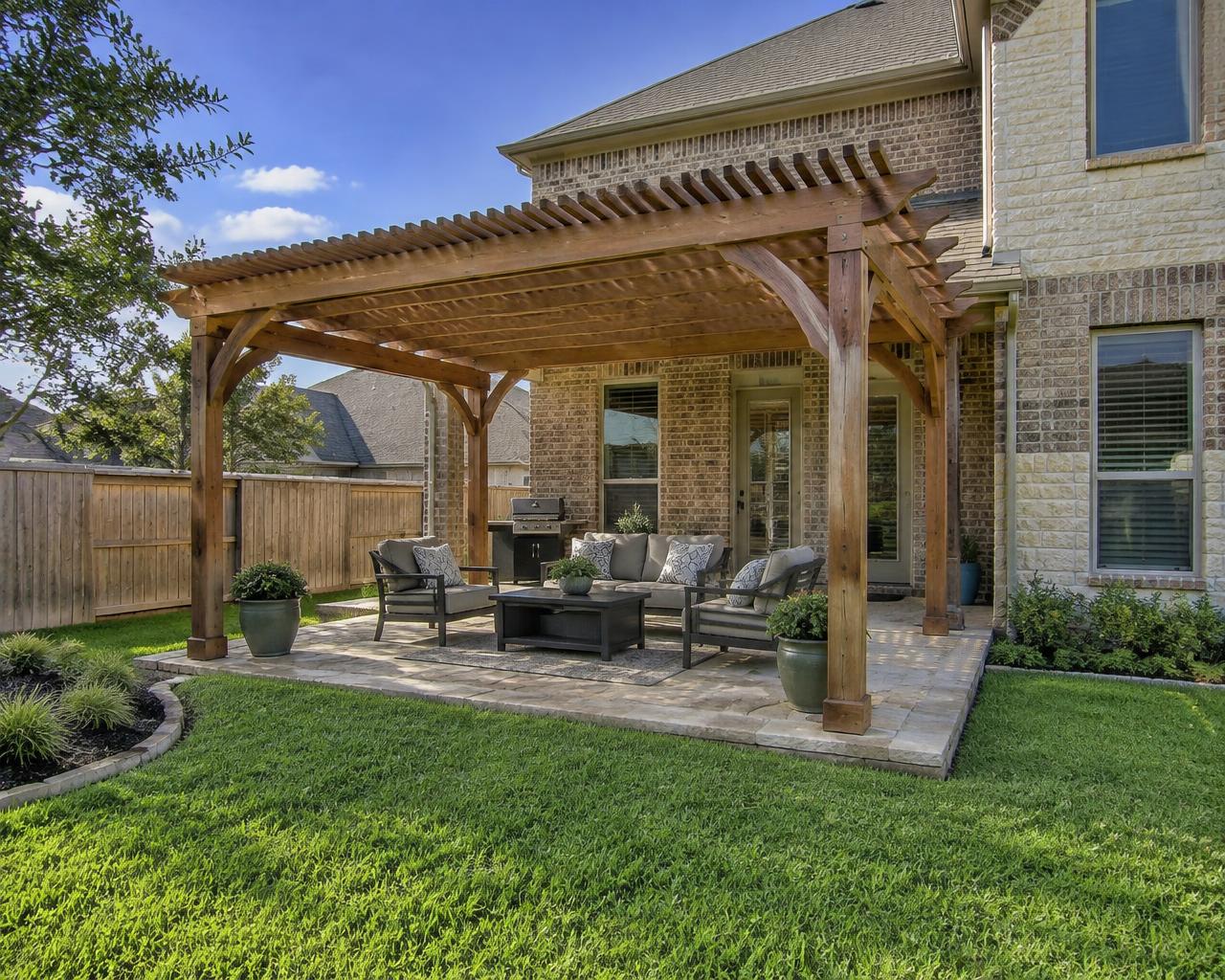
What Fort Worth looks at
Groundwork considers these factors when it checks a Fort Worth pergola project:
Attached vs. freestanding
Decides which permit pathway your pergola follows.
Pergola dimensions
Length, width and total square footage of the structure.
Height
How tall the structure is, measured where the city measures it.
Property zoning
Your zoning district shapes location, height and size standards.
Lot size
The size of your parcel, from official property records when available.
Setbacks and location
How far the pergola sits from your rear and side property lines.
Existing accessory structures
Sheds, garages or other detached structures already on the lot.
Type of covering
Open, solid, partial or retractable covering.
Electrical work
Lights, fans or outlets can require additional trade permits.
Freestanding vs. attached pergolas
These two kinds of pergolas can follow different permitting and zoning paths.
Freestanding
A pergola that stands on its own may be evaluated as a residential accessory structure, with zoning standards for location, height and square footage.
Attached to your home
A pergola structurally attached to the primary residence can follow the requirements for a residential addition, using the standards of your zoning district.
Why your address matters
Two similar pergolas can get different results. Property zoning, lot size, setbacks and the structures already on the lot differ from one address to the next, so Groundwork checks your specific property.
Example project results
- ZoningVerified
- Lot sizeVerified
- SetbacksBased on your property
- PermitRequired / Needs verification
Illustration only. Your results depend on your property.
What you may need for a Fort Worth permit
Based on the City of Fort Worth's residential permit information, a pergola application can involve:
- Residential building permit application
- Plans for the structure
- Site plan showing where it sits on the lot
- Certified plat or required property documentation
- Project information such as dimensions and materials
- Additional trade permits when applicable, such as electrical
Exact requirements depend on your project. Your project results list what applies to yours, and the optional Permit-Ready Packet organizes it for you.
Before you start building
Before buying materials or starting construction, confirm how the rules apply to your specific property. Groundwork checks your project details against verified municipal and property information and gives you personalized project results.
Check my project — freeNew to Groundwork? See how it works.
Official sources
Groundwork uses official municipal and property sources, and shows where each result comes from.
- City of Fort Worth Development Services — Permits
- City of Fort Worth zoning GIS (property zoning)
- Tarrant Appraisal District parcel data (lot size)
Frequently asked questions
Do I need a permit for a pergola in Fort Worth?
Fort Worth's residential permitting guidance states that accessory structures require a building permit, and they may also be subject to zoning requirements involving location, maximum height and square footage. An attached pergola is handled through the residential addition pathway. Groundwork shows which pathway applies to your project.
Does pergola size matter?
Yes. Square footage and height are part of how accessory structures are reviewed, and they are considered together with your lot and any structures already on it. Groundwork checks your dimensions against the verified rules for your property instead of a single universal number.
Does it matter whether my pergola is attached to my house?
Yes. A freestanding pergola is generally evaluated as a residential accessory structure. A pergola structurally attached to your home is treated through Fort Worth's residential addition pathway, which follows the standards for your zoning district.
How close can a pergola be to my property line?
It depends on your zoning district, whether the pergola is attached or freestanding, and its height and placement. Groundwork uses the distances you provide and your property's verified zoning to show how setback rules apply to you.
Does my zoning district affect the rules?
Yes. Zoning can affect where a structure may sit and how large or tall it may be. Groundwork looks up your property's zoning from official City of Fort Worth GIS data.
What if I don't know my lot size or setbacks?
That's fine. Groundwork looks up parcel and lot information from official county property data when it's available, and your project results clearly mark anything that still needs to be confirmed.
Can Groundwork file the permit for me?
No. Groundwork helps homeowners understand and prepare for the permit process. We do not file permits, act on your behalf with the city, or guarantee approval. Final decisions rest with the City of Fort Worth and, if applicable, your HOA.